Research
My research develops safety-critical control and motion planning for robots and multi-agent systems, pairing rigorous control theory with hands-on validation on real hardware. The projects below are ordered from my current work back to my earliest research.
Table of Contents
- Safety-Critical Control — Current Research
- Autonomous Vehicle Planning and Control
- Autonomous Quadrotor UAV Control
- Distributed Control, Coordination, and Manipulation
- Learning for Control and Estimation
Safety-Critical Control — Current Research
Visiting Researcher, ETAIC Lab, UT Arlington · Tech Lead & Senior Controls Research Engineer, Amogy
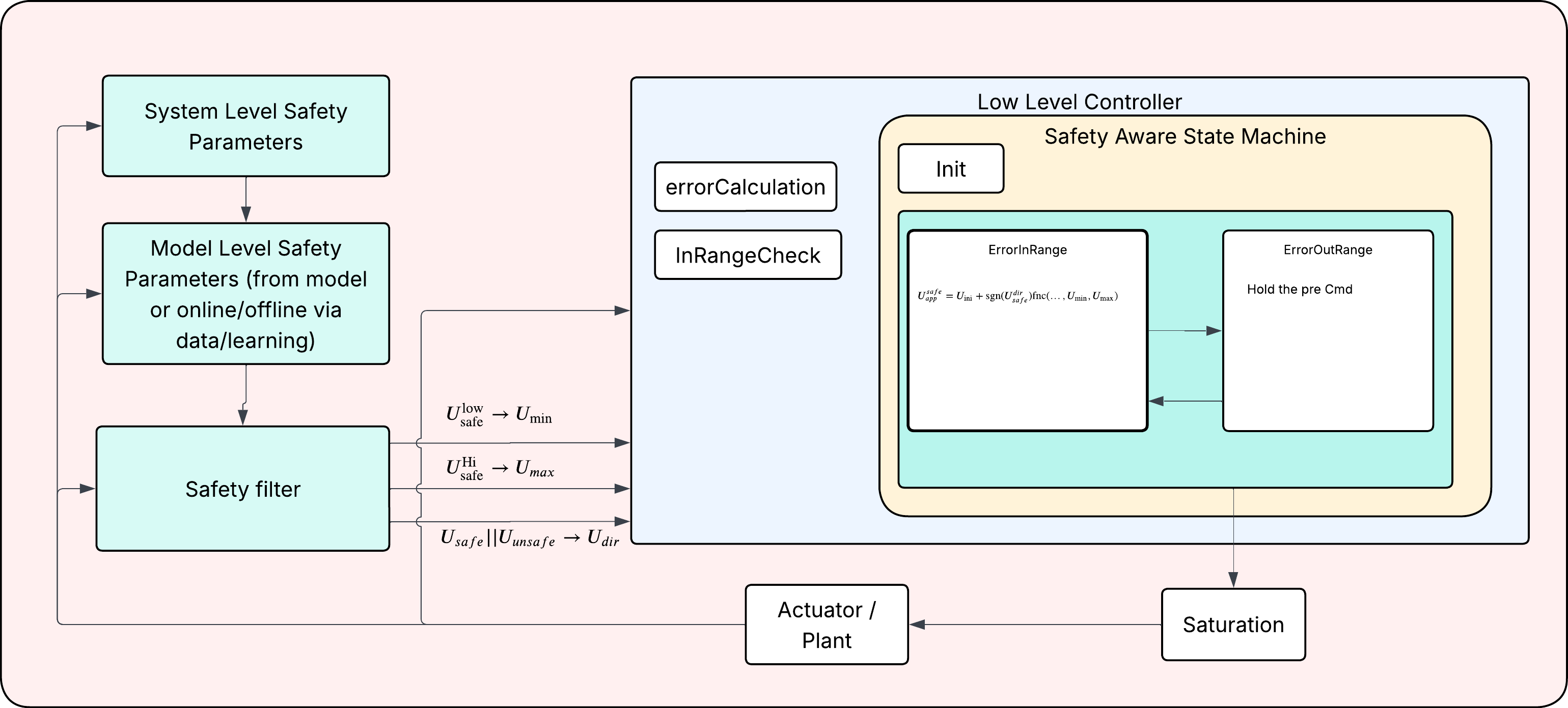
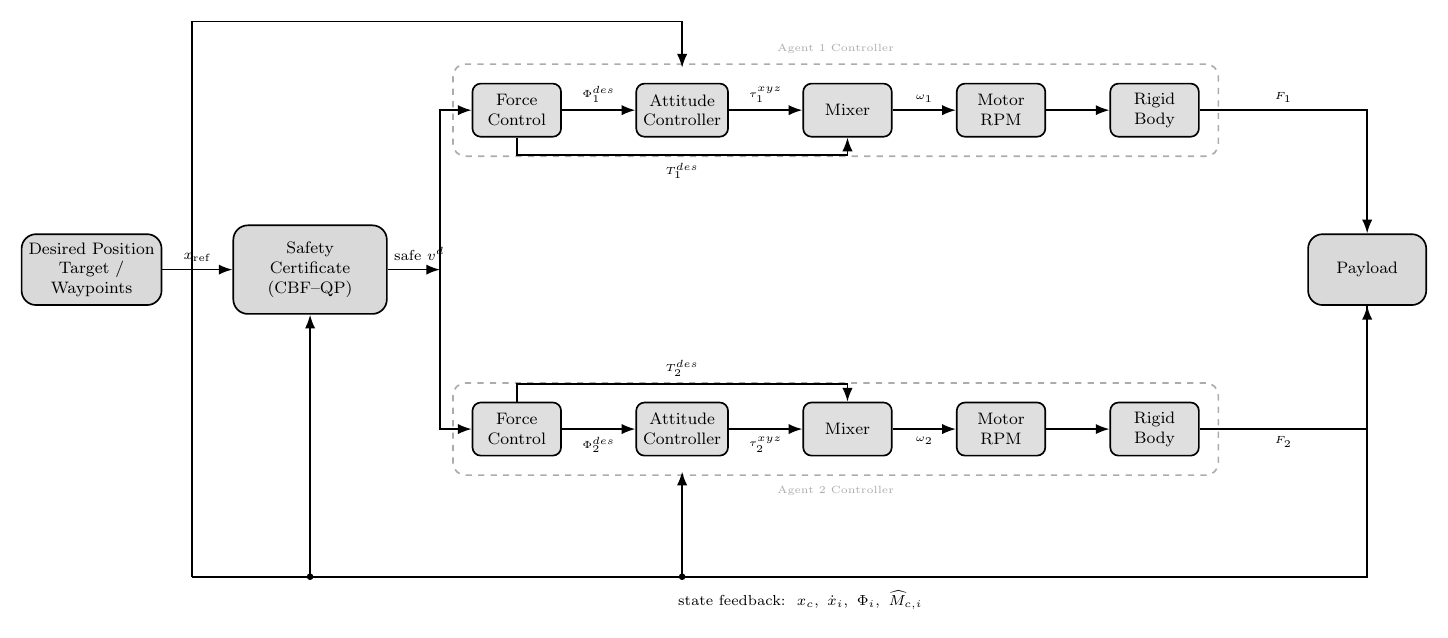
Composing actuator-level safety architectures with state-space safety filters for end-to-end safety under embedded, real-time constraints.
- Safety certificates for low-level control loops.
- Safety-critical control for multi-agent systems.
- Safe control in the presence of model uncertainty and unmodeled dynamics.
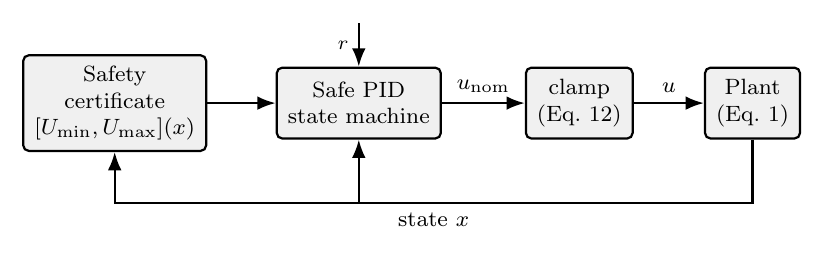
- Safety-aware state-machine wrapper for legacy PID loops with provable input-boundedness, integrator-boundedness, and bumpless-transfer properties, evaluated head-to-head against control-barrier-function safety filters (in preparation, IEEE RA-L).
Autonomous Vehicle Planning and Control
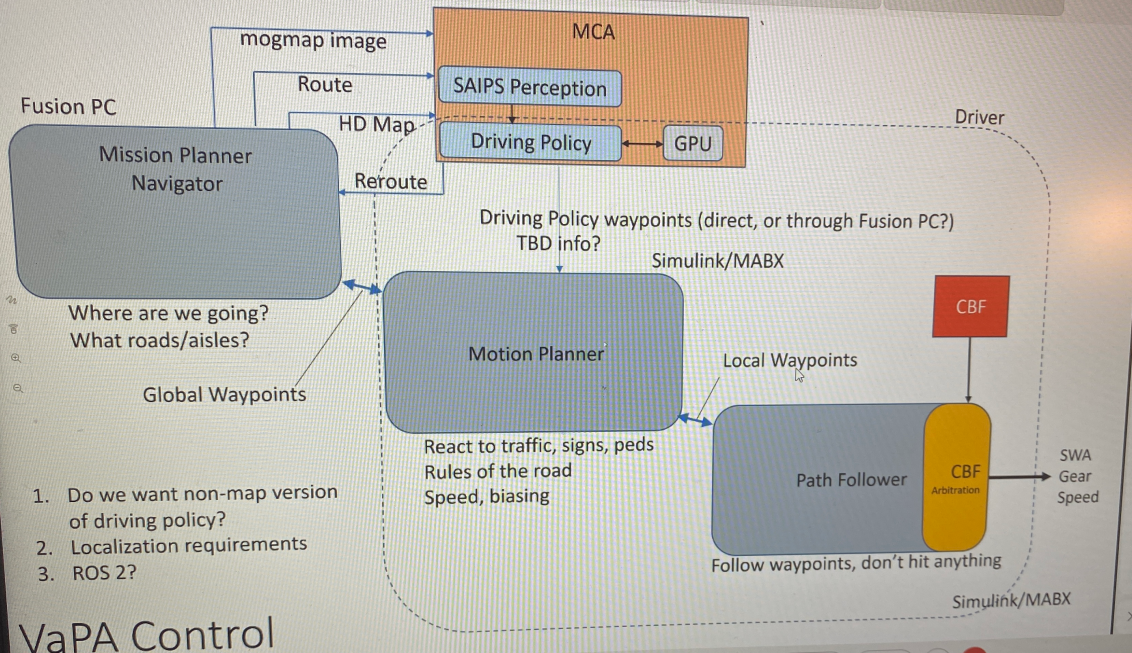
Research Engineer, Ford Motor Company, Research & Advanced Engineering (advisor: Dr. H. Eric Tseng, NAE Member)
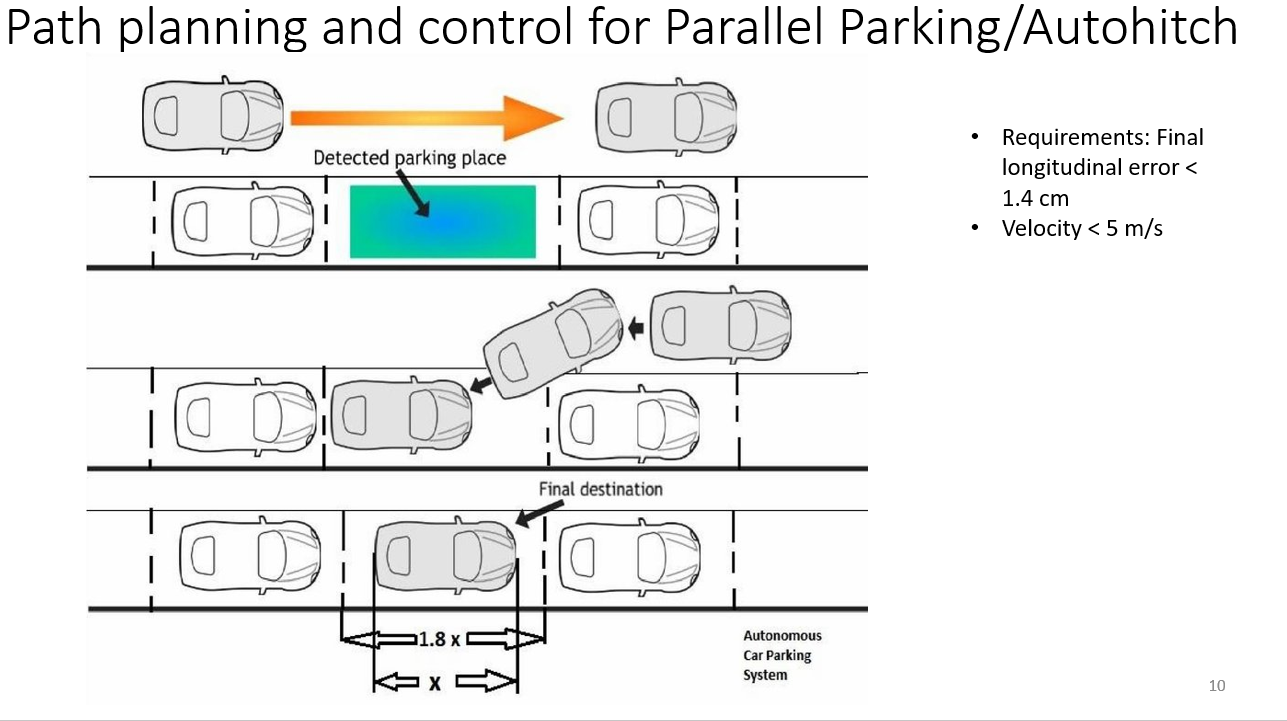
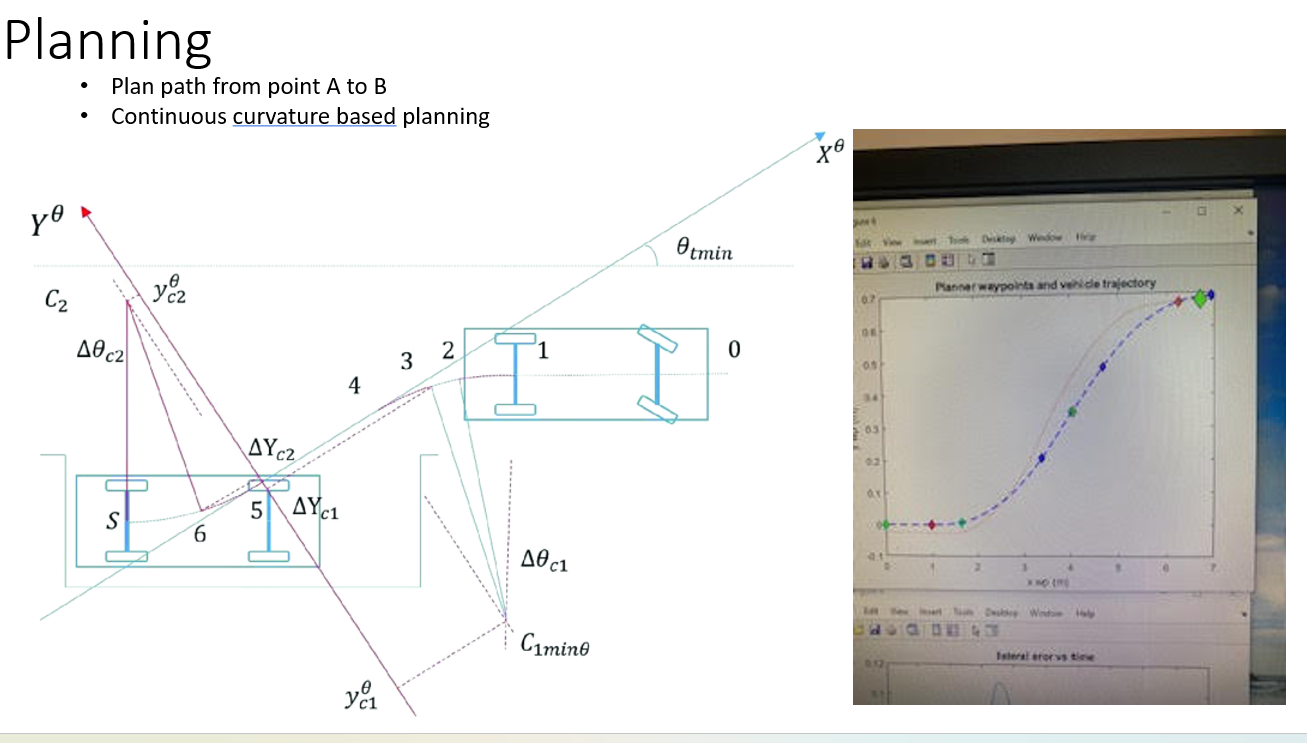
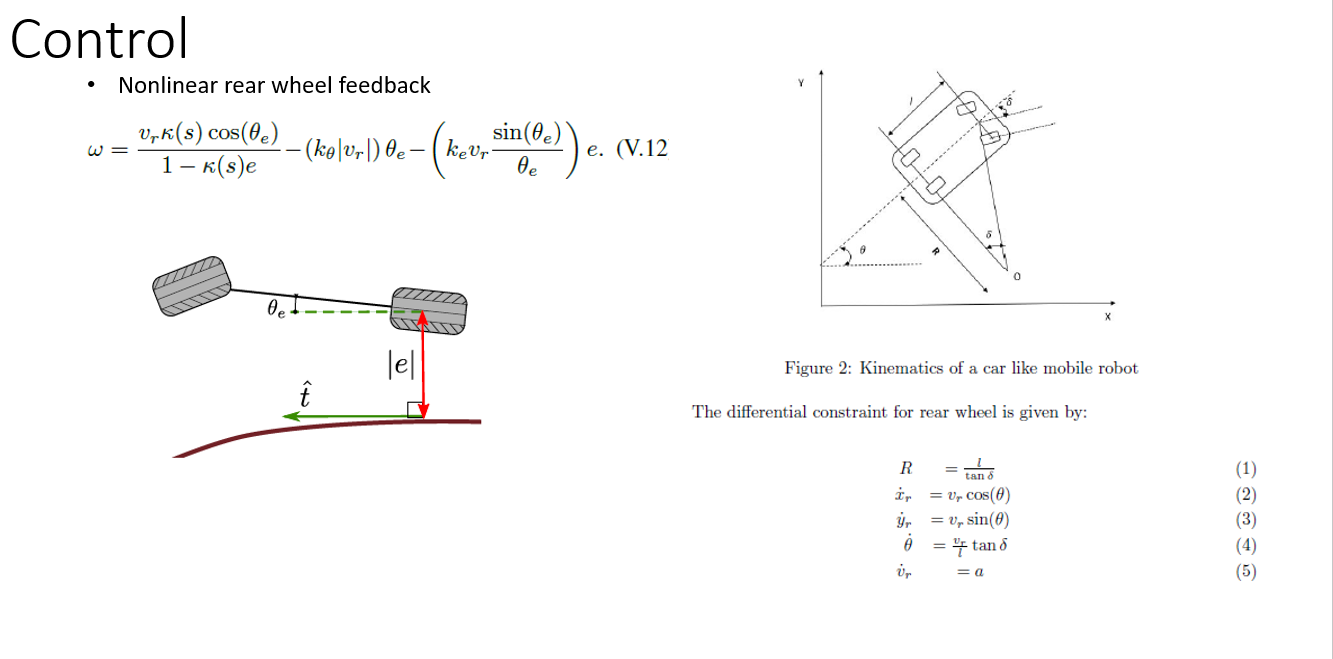
- Continuous-curvature (clothoid-based) path planner and nonlinear rear-wheel feedback lateral controller for autonomous parallel parking and auto-hitch (SAE L2/L3).
- State machines and control-barrier-function safety certificates for autonomous function transitions and fault handling.
- Trajectory-tracking benchmarks (pure-pursuit, LQR, PD, backstepping, nonlinear feedback); validated in simulation and on dSPACE real-time hardware.
Clothoid-Based Path Planning
Non-linear Rear-Wheel Feedback Control
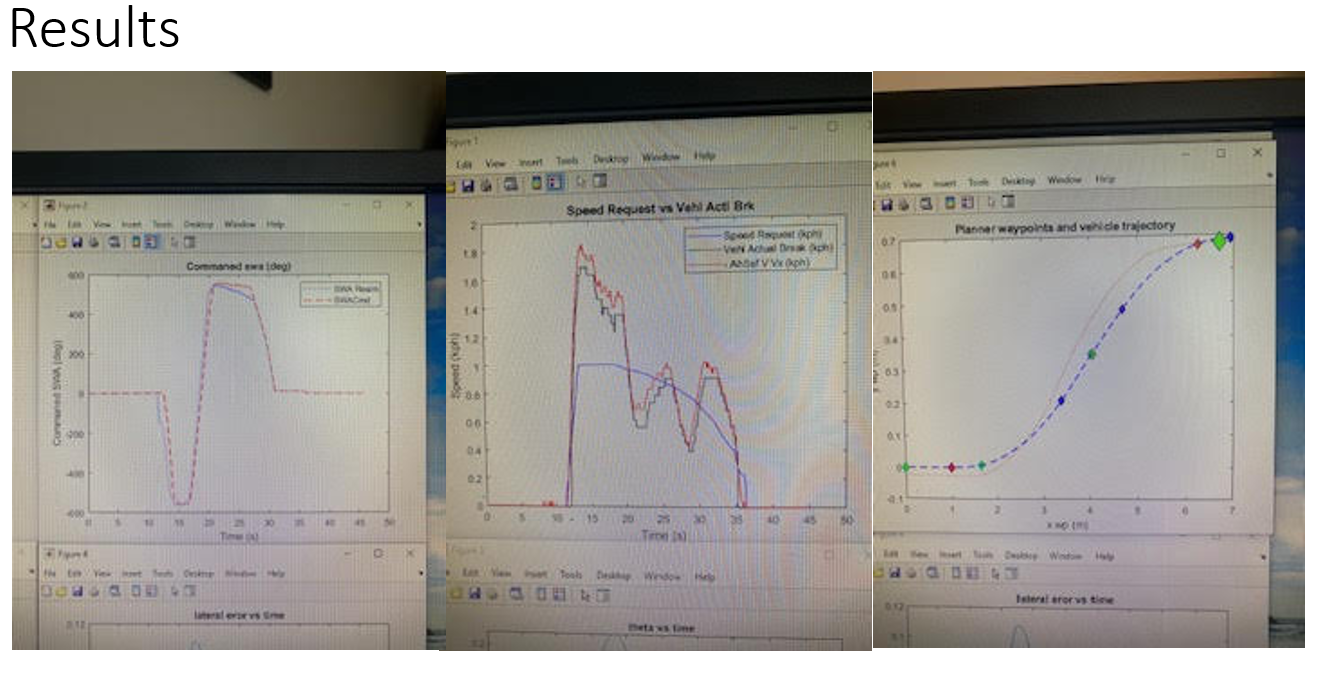
Vehicle Dynamics with Cruise and Lateral Control
Pure-Pursuit Control
Autonomous Quadrotor UAV Control
Senior Controls Engineer, The Drone Racing League · Independent Research
- Cascaded PID, state-dependent LQR, nonlinear Lyapunov-based, sliding-mode, backstepping, geometric SE(3), and Cartesian impedance controllers for quadrotor trajectory tracking.
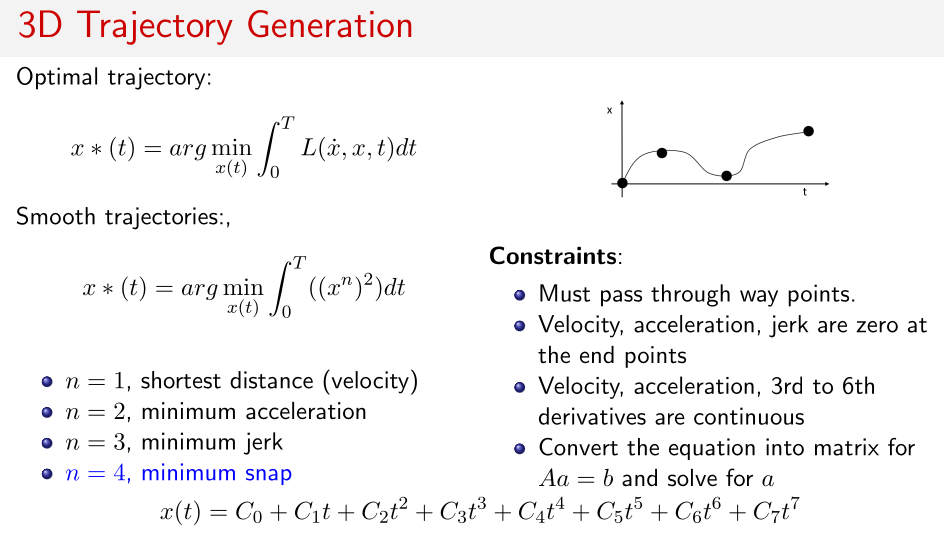
- Geometric attitude control and differential-flatness-based minimum-snap trajectory generation.
- End-to-end autopilot integrating state estimation, planning, and control, validated in MATLAB/Simulink, Gazebo, PX4 SITL, ROS, and on real quadrotor hardware.

Cascaded PID Control in PX4
State-Dependent LQR for Trajectory Tracking
Full-state time-varying LQR designed and implemented in real time in Gazebo and PX4. 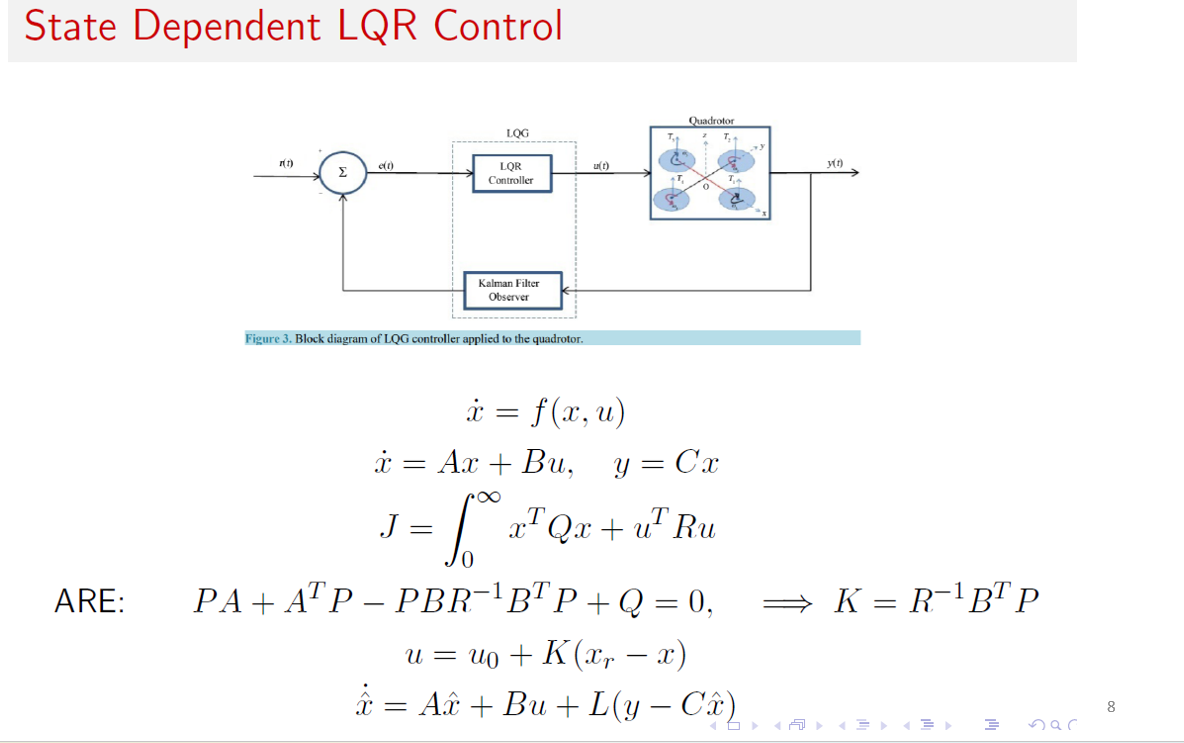
Offboard Velocity Control
Minimum-Snap 3D Trajectory Generation
Distributed Control, Coordination, and Manipulation
M.S. research, Oklahoma State University (CoRAL Lab, Dr. He Bai), jointly with Dr. J. Á. Acosta (University of Seville, Spain)
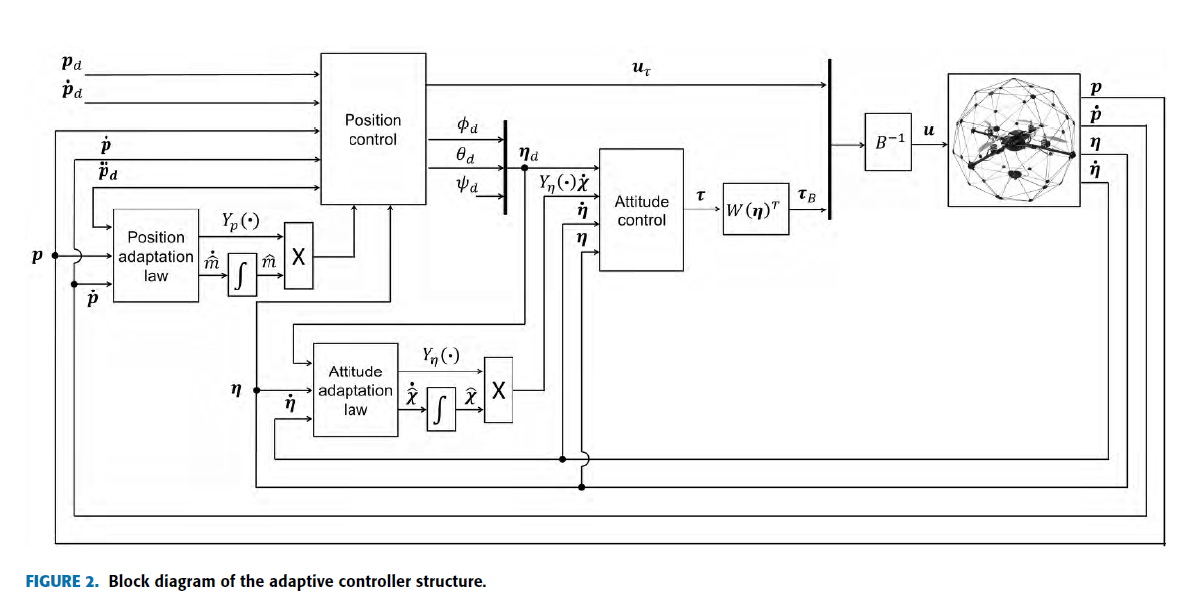
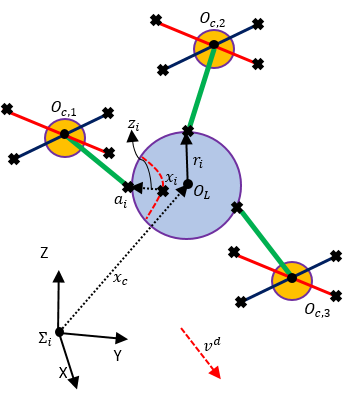
- Decentralized multi-robot control framework for cooperative aerial manipulation: multiple quadrotor UAVs transport a shared payload without constant inter-robot communication.
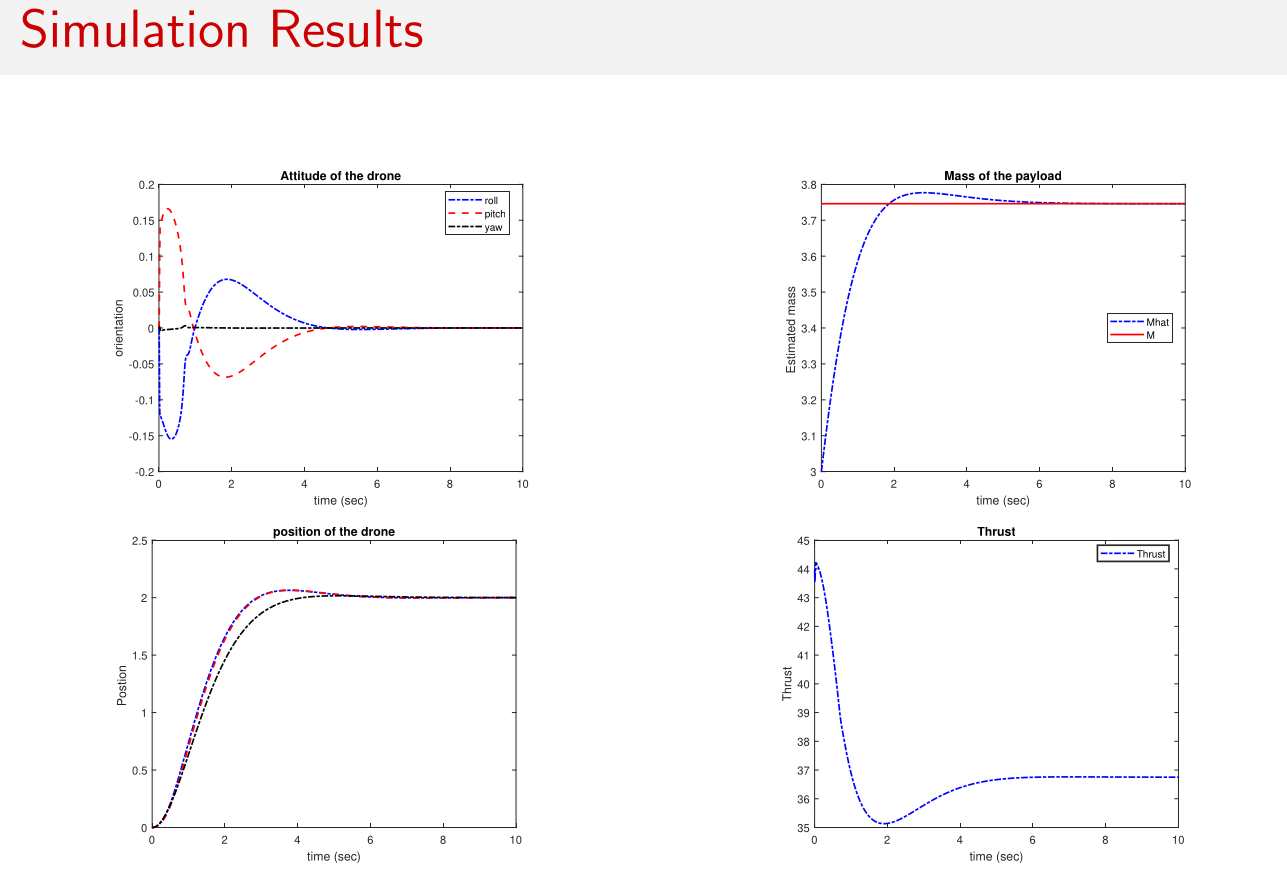
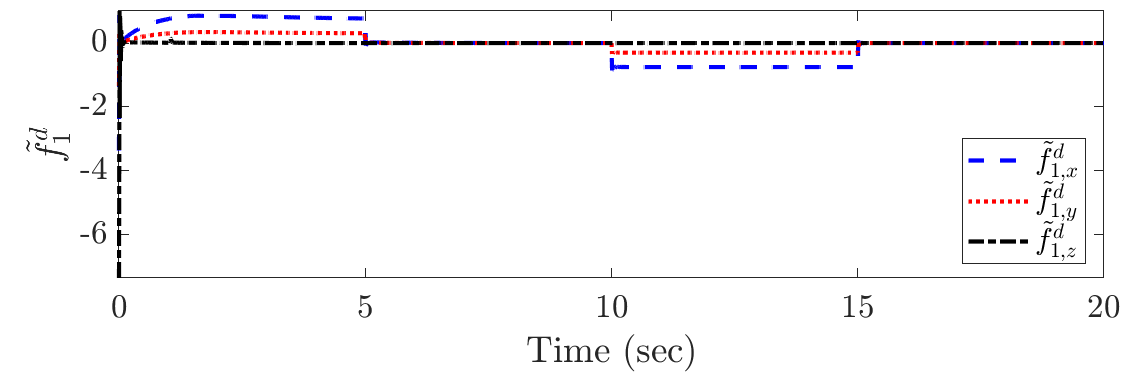
- Adaptive force-sharing controllers regulate payload forces while all agents coordinate their motion, with stable transport under unknown payload mass and external disturbances — validated in simulation and physical flight tests.
Related publications:
- [J2] Thapa S., Bai H., Acosta J.A. Cooperative Aerial Manipulation with Decentralized Adaptive Force-Consensus Control. Journal of Intelligent & Robotic Systems (JINT), 2020.
- [C1] Thapa S., Bai H., Acosta J.A. Cooperative Aerial Load Transport with Attitude Stabilization. American Control Conference (ACC), 2018.
- [C2] Thapa S., Bai H., Acosta J.A. Force Control in Cooperative Aerial Manipulation. IEEE ICUAS, 2018.
- [C3] Thapa S., Bai H., Acosta J.A. Cooperative Aerial Load Transport with Force Control. IFAC NAASS, 2018.
Cooperative Manipulation of an Unknown Payload
Cooperative Attitude Control
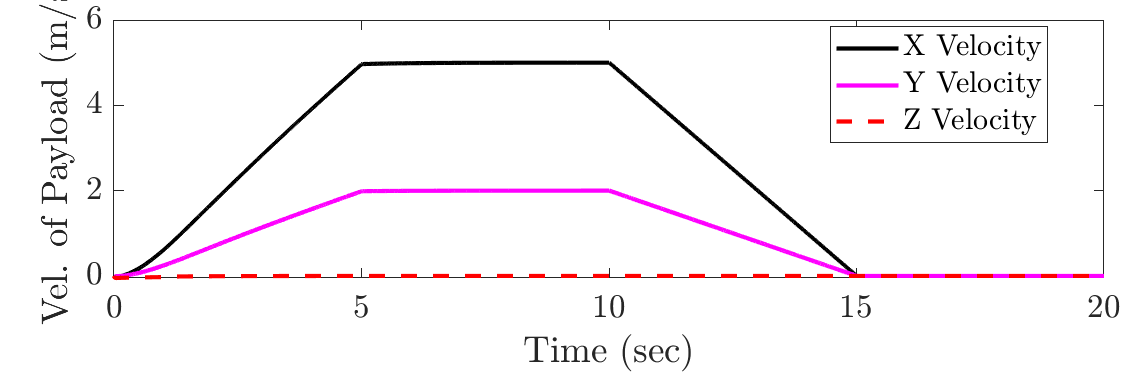
Cooperative Control with Time-Varying Velocity
Aerial Manipulator Flight Test
Learning for Control and Estimation
M.S. research, Oklahoma State University (with Dr. Rushikesh Kamalapurkar)
- Concurrent-learning adaptive control for a team of robots transporting a common load, enabling real-time estimation of unknown parameters (payload mass and drag) while driving all agents and the payload to a desired trajectory.
Guarantees parameter convergence and improves transient performance by reusing past data to relax excitation requirements, with accurate force regulation and synchronized motion in simulation.
- [J1] Thapa S., Self R., Bai H., Kamalapurkar R. Cooperative Manipulation of an Unknown Payload with Concurrent Mass and Drag Force Estimation. IEEE Control Systems Letters (L-CSS), with CDC presentation option, 2019.
Drag Force Estimation
Contact Force on the Payload
Non-linear Adaptive Geometric Control